
Golden Triangle with Orchha & Khajuraho — 10 Days Through India’s Architectural Masterpieces
Duration
10 Days / 9 Nights
Location
Delhi, Jaipur, Agra, Orchha, Khajuraho
Overview
The Golden Triangle covers Mughal and Rajput India — but Orchha and Khajuraho, tucked into Madhya Pradesh some 300 km south of Agra, add a medieval and temple-architecture dimension that most Golden Triangle itineraries miss entirely. This 10-day private tour is built for travellers who want architectural depth over a simple highlights pass.
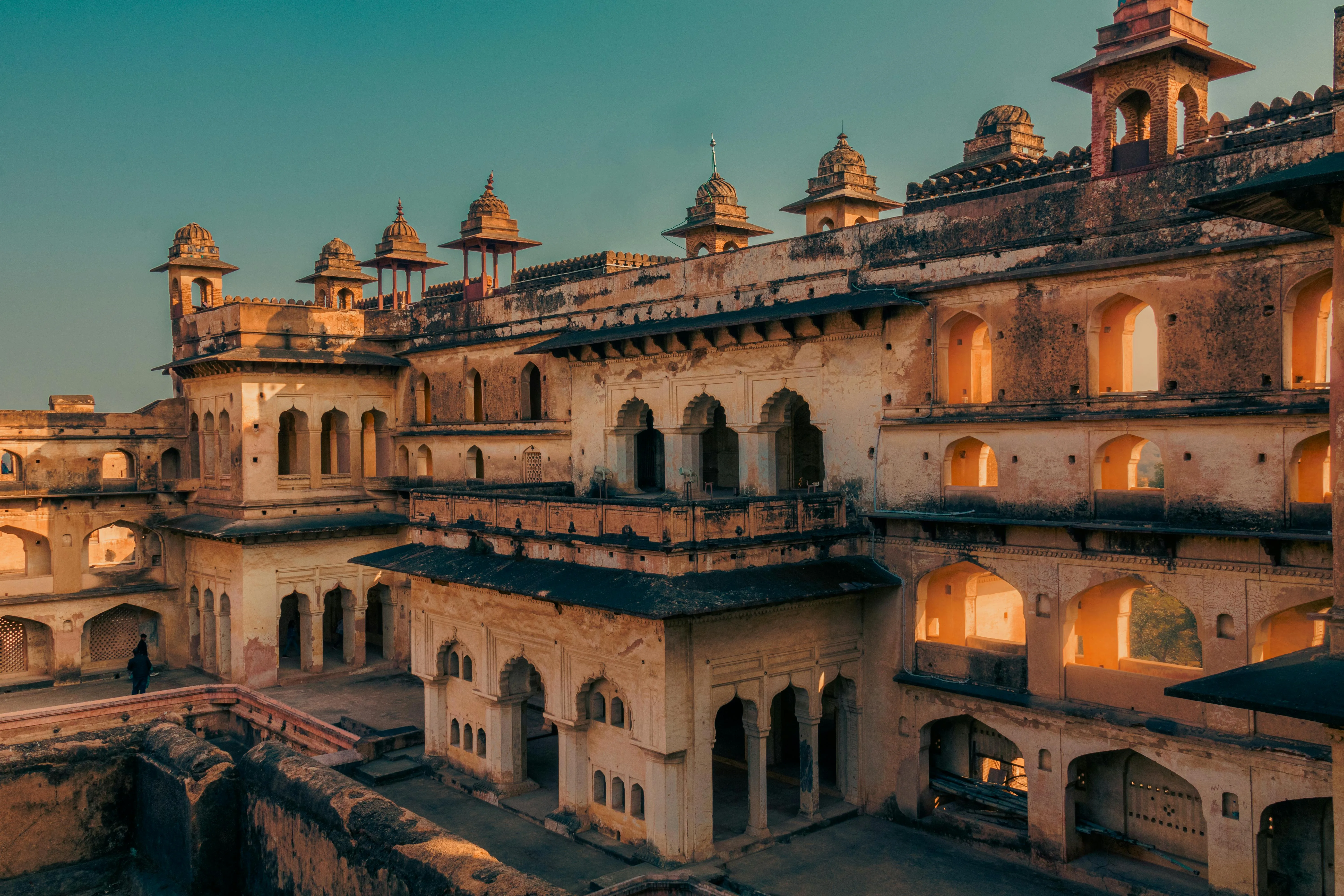
You begin with Delhi's layered history, Jaipur's hilltop Rajput fortresses, and the Taj Mahal and Agra Fort. After four days in the Golden Triangle, the route shifts south by train to Orchha — a riverside town frozen in the 16th century, where crumbling Bundela palaces and riverside cenotaphs line the Betwa River in near-total quietude. Few places in North India feel this removed from the tourist circuit.
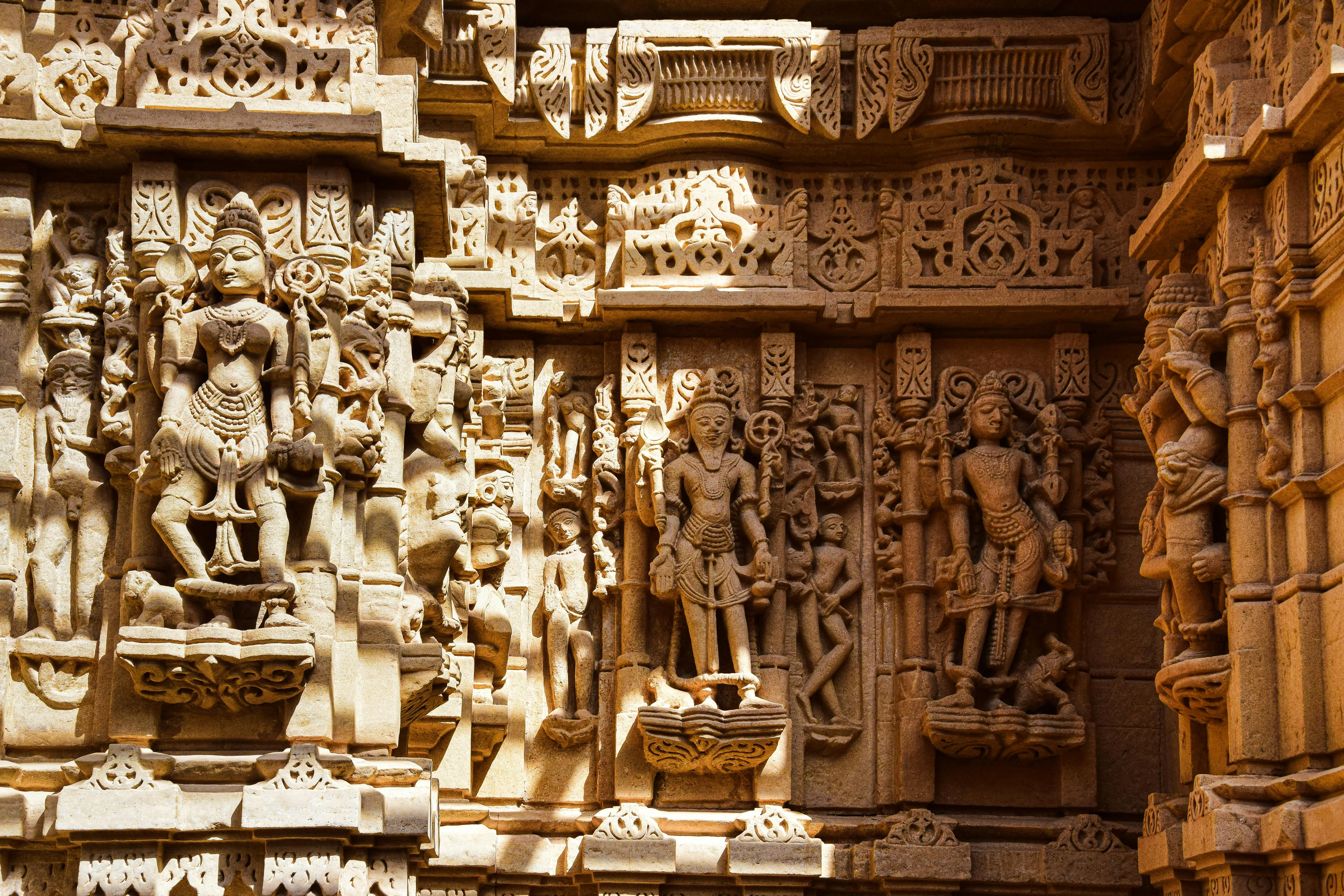
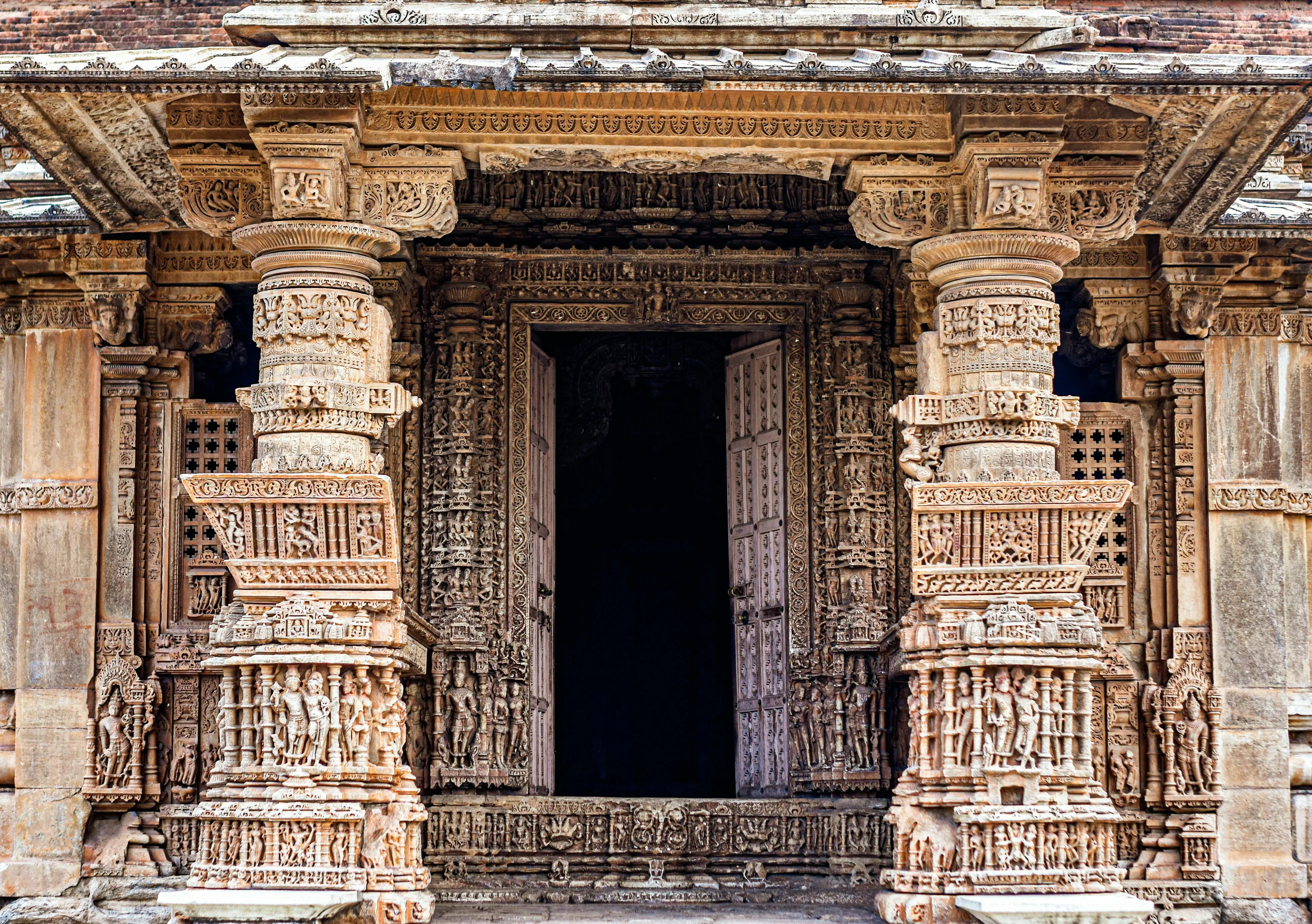
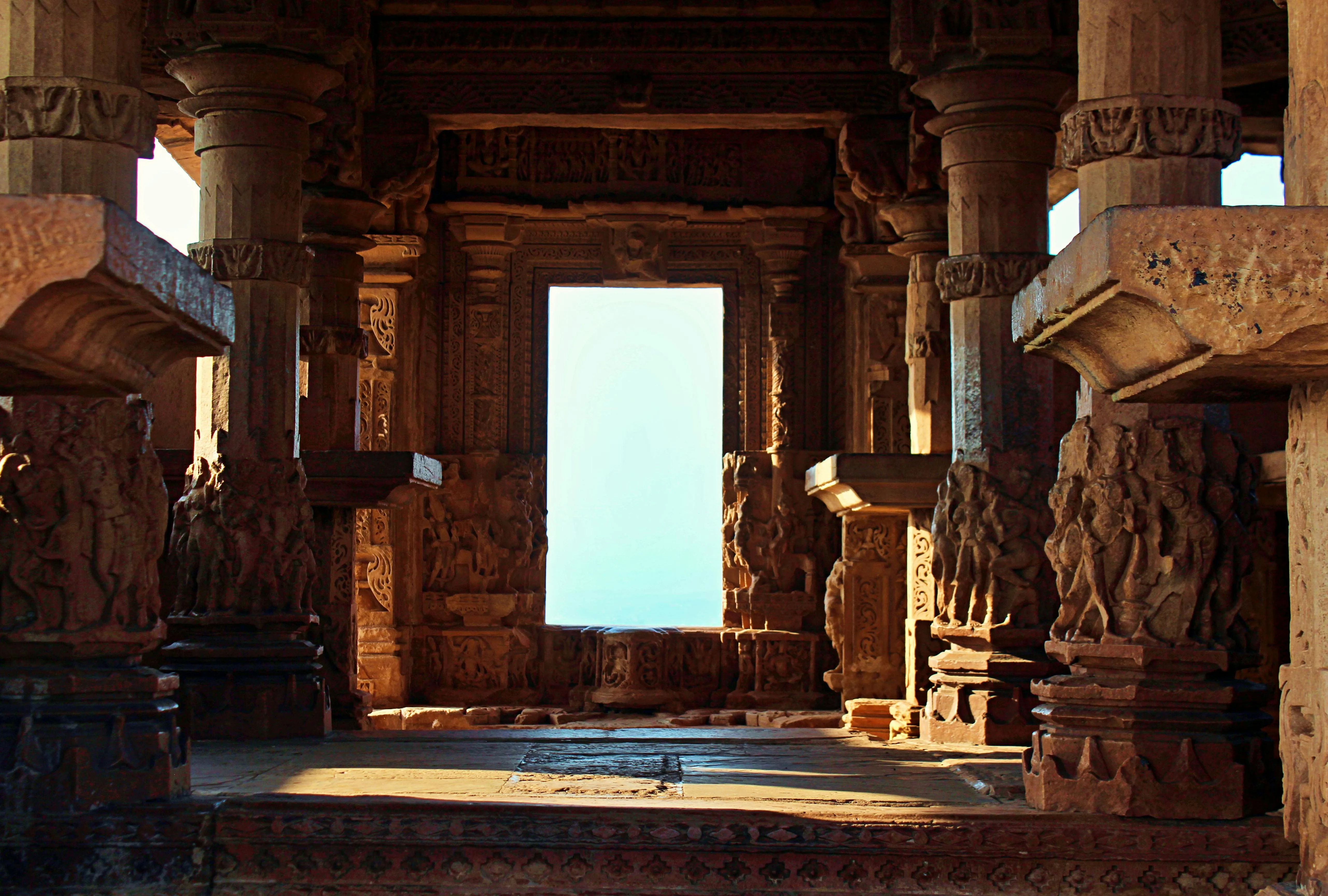
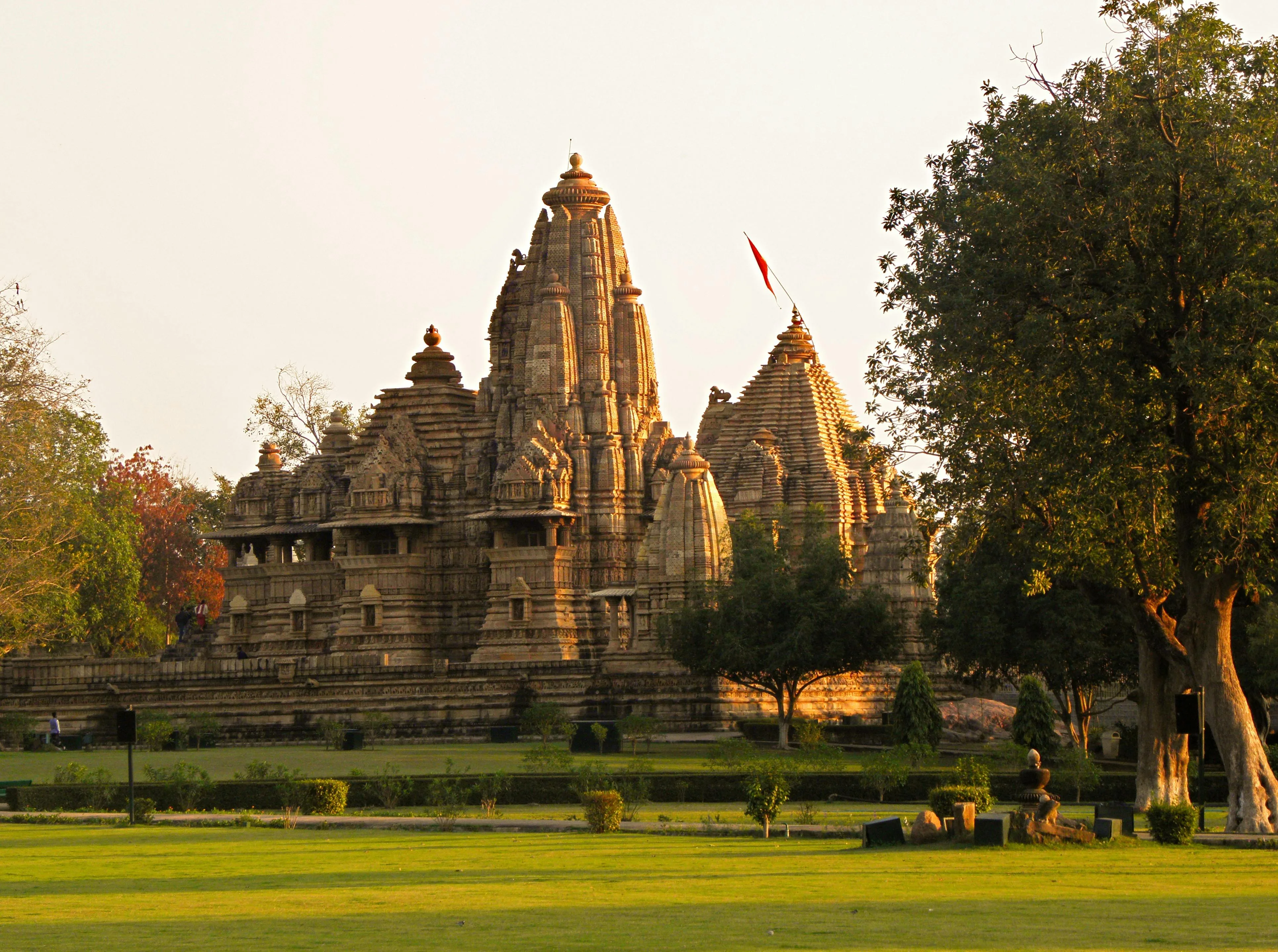
From Orchha, you drive east to Khajuraho, where the Western Group of temples — built between 950 and 1050 AD and covered in some of the most sophisticated sculptural programmes in Indian art — stand as UNESCO World Heritage monuments of extraordinary refinement. The famous erotic carvings represent only a fraction of the temple surfaces; the full iconographic scheme includes gods, celestial beings, warriors and scenes of courtly life carved with a precision that rewards slow, attentive viewing.
If your time allows only the core circuit, our 5-day Golden Triangle private tour covers Delhi, Agra and Jaipur in the ideal balance of depth and efficiency — the natural foundation for this extended architectural journey.
Tour Highlights
-
Taj Mahal sunrise or sunset experience, Agra
-
Agra Fort (UNESCO) — Mughal imperial citadel
-
Fatehpur Sikri — Akbar's abandoned sandstone capital
-
Amber Fort, Hawa Mahal & City Palace, Jaipur
-
Train from Agra to Jhansi — scenic Madhya Pradesh entry
-
Orchha — Bundela palaces, Raja Mahal & riverside cenotaphs
-
Khajuraho Western Group temples (UNESCO)
-
Medieval temple carvings — gods, myths and erotic iconography
-
Flight Khajuraho to Delhi included
-
Private car, expert guides & curated stays throughout
Day Wise Itinerary
Day 1 Arrival in Delhi — Gateway to India
Your journey begins in Delhi — a city where Mughal courts, colonial boulevards, and contemporary India occupy the same geography. On arrival at Indira Gandhi International Airport, a private representative meets you and transfers you to your hotel. The first evening is unhurried — suitable for a walk around the illuminated India Gate, the tree-lined Kartavya Path, or the quieter lanes of Lodhi Garden before the itinerary begins properly tomorrow.
Overnight: Delhi
Day 2 Delhi to Jaipur — Enter Rajasthan
After breakfast, depart for Jaipur (approximately 260 km, 4.5 hours by road). En route, optional stop at Neemrana Fort Palace — one of the finest examples of a Rajput hill fort converted into a heritage hotel, offering a preview of the architectural scale that defines this region. On arrival in Jaipur, check in and explore the bazaars of the walled Pink City — Johari Bazaar for gemstones, Bapu Bazaar for block-print textiles and lac bangles.
Overnight: Jaipur
Day 3 Jaipur — Amber Fort & Royal Palaces
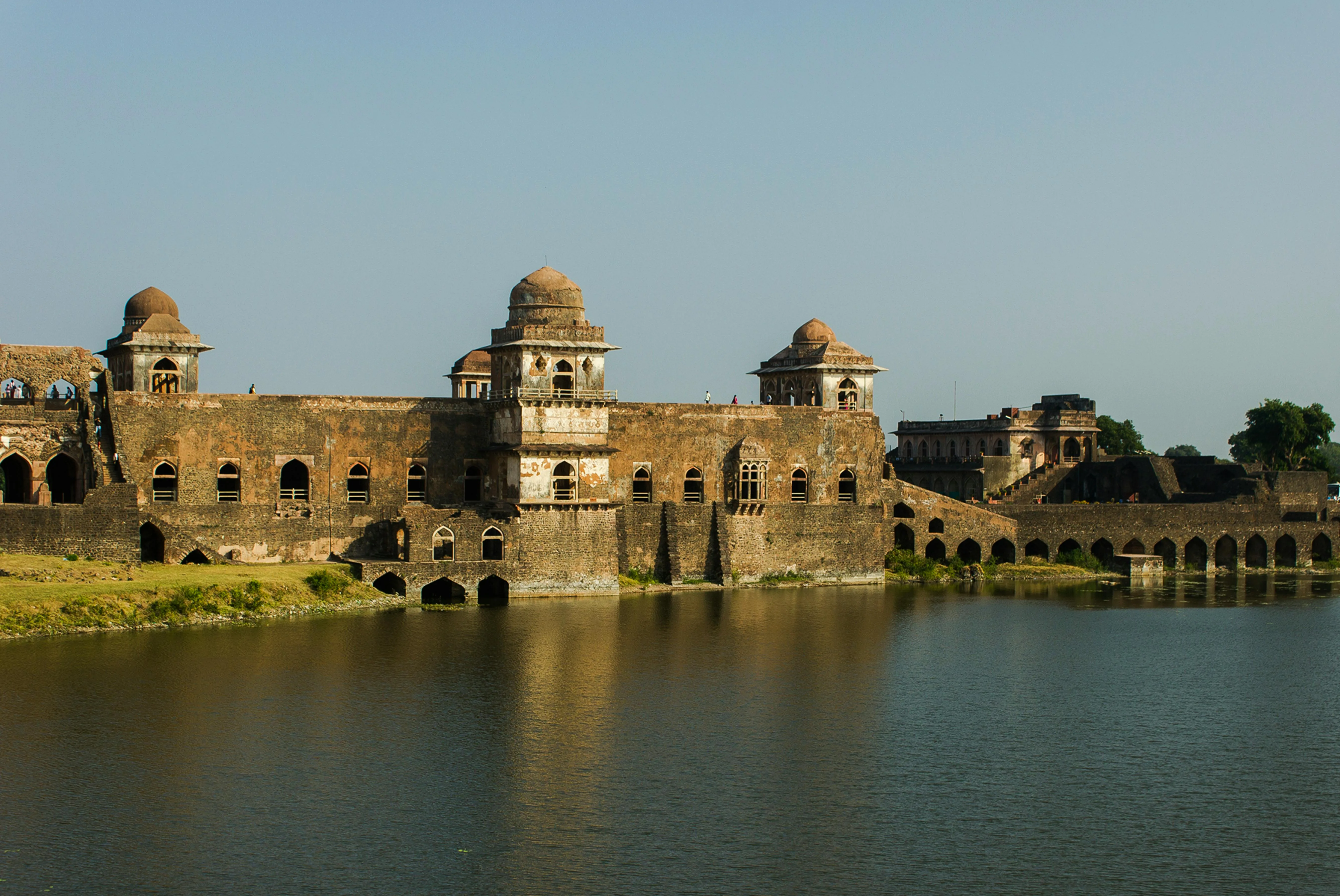
Morning: Visit Amber Fort — the grand hilltop Rajput fortress built by Raja Man Singh I in 1592. Ascend by jeep along the old elephant road. Inside: the Ganesh Pol ceremonial gateway, the Sheesh Mahal (Hall of Mirrors) where a single candle flame multiplies across 1,000 mirrored facets, and the zenana courtyards. Photo stop at Jal Mahal — the water palace floating on Man Sagar Lake.
Afternoon: City Palace — the royal residential complex at the city's heart, with its collection of royal costumes, weapons and the famous pair of silver urns (the world's largest silver objects). Jantar Mantar — the UNESCO astronomical observatory with 19 precision instruments, including the Samrat Yantra, the world's largest stone sundial. Hawa Mahal — the 953-windowed pink sandstone screen from which Jaipur's royal ladies observed street life unseen.
Overnight: Jaipur
Day 4 Jaipur to Agra via Fatehpur Sikri
After breakfast, depart for Agra with a guided stop at Fatehpur Sikri — Emperor Akbar's extraordinary red sandstone capital, built between 1569 and 1585 and abandoned within 14 years, likely due to water scarcity. Explore Buland Darwaza, the 54-metre ceremonial gateway — the world's largest; Diwan-i-Khas with its unique single central column supporting a circular throne platform; the five-storey Panch Mahal; and the Salim Chishti Dargah within the Jami Masjid courtyard. Continue to Agra. Hotel check-in and evening at leisure.
Overnight: Agra
Day 5 Agra — Taj Mahal & Agra Fort
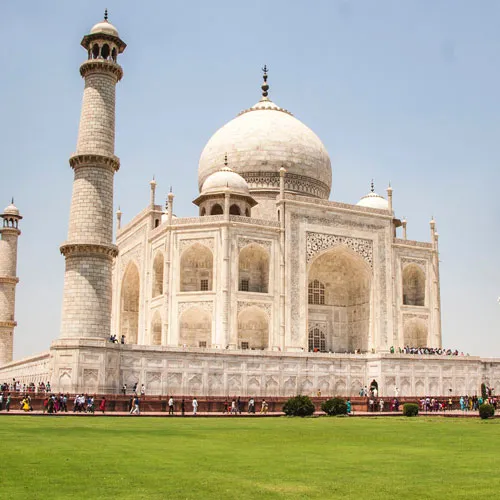
Morning: Sunrise entry to the Taj Mahal. Entering through the Darwaza-i-Rauza — Shah Jahan's great gateway — what lies beyond has moved travellers for nearly four centuries. Your guide walks you through the 22-year construction by 20,000 artisans, the extraordinary pietra dura gemstone inlay work across the marble surfaces, and the optical corrections built into the four minarets. Time to walk the gardens and approach the plinth at your own pace. Note: The Taj Mahal is closed on Fridays.
Afternoon: Agra Fort — the UNESCO World Heritage red sandstone citadel that served as the Mughal imperial residence from Akbar to Aurangzeb. Inside: the Jahangiri Mahal, the white marble Khas Mahal and the Musamman Burj — the octagonal tower from which Shah Jahan, in his final captive years, is said to have gazed toward the Taj. Optional sunset visit to Mehtab Bagh — the Mughal cross-garden directly opposite the Taj, for a quiet riverfront view without crowds.
Overnight: Agra
Day 6 Agra to Orchha — Train to Jhansi, Drive to Orchha
After breakfast, transfer to Agra Cantonment Station for the train to Jhansi — a comfortable 2-hour journey through the Chambal plains into Madhya Pradesh. Private car meets you at Jhansi Station for the 18-km drive to Orchha. Hotel check-in — ideally a heritage property within the old town itself.
After lunch, afternoon guided walk through Orchha: Raja Mahal — the principal Bundela palace begun by Madhukar Shah in the 1550s, with extraordinary gem-tone murals depicting Vishnu's ten avatars. Jahangir Mahal — built to commemorate Emperor Jahangir's 1606 visit, featuring a rooftop terrace overlooking the Betwa River. Laxminarayan Temple — a fortified temple whose interiors carry 17th-century murals among the finest surviving examples of Bundelkhand painting. End the afternoon walking the Betwa Riverbank, where 14 royal cenotaphs — chhatris — stand in various states of picturesque decay.
Overnight: Orchha
Day 7 Orchha to Khajuraho — 180 km Drive
Morning at leisure in Orchha — one of the rare places on this itinerary that rewards simply wandering without a schedule. The town wakes slowly; the temples are used for active worship, and the Betwa at dawn is particularly quiet. Optional early morning visit to Ram Raja Mandir, where the presiding deity Ram has been worshipped as a king since the 17th century under a protocol adopted from Bundela royal court ceremonies — the only temple in India where Ram is accorded a full royal guard of honour.
After a late morning departure, drive approximately 180 km (3 hours) east to Khajuraho. Hotel check-in. Late afternoon optional visit to the Sound and Light Show at the Western Group — a 50-minute narrated history of the Chandela dynasty that built these temples, projected against the stone façades after dark. A good introduction before the main temple visit tomorrow morning.
Overnight: Khajuraho
Day 8 Khajuraho — Western & Eastern Temple Groups
Morning — Western Group (UNESCO, minimum 3 hours): The centrepiece of Khajuraho. Built between 950 and 1050 AD by the Chandela Rajput dynasty, the 20 surviving temples are among the finest examples of Nagara-style temple architecture in India. Begin with Kandariya Mahadeva — the largest and most elaborately carved, rising 31 metres with over 900 sculptures across its exterior. Your guide walks you through the iconographic programme: the lower registers showing celestial maidens (apsaras) and attendant figures; the middle bands with the famous mithunas — sensuous and erotic couples interpreted within a Tantric tradition that positioned human desire as a gateway to divine consciousness; and the upper registers approaching the shikhara tower, showing increasingly abstract divine forms. The erotic panels represent approximately 10% of the total sculptural surface — the remaining 90% depicts gods, mythological narratives, warriors and daily life, all executed with a sophistication that places Khajuraho among the great sculptural achievements of the medieval world.
Also visit: Lakshmana Temple (dedicated to Vishnu, with a particularly complete sculptural programme); Matangesvara Temple (still used for active worship, notably different in atmosphere from the archaeological group); and Varaha Temple, housing a monolithic boar sculpture.
Afternoon — Eastern Group (for those with deeper interest, 1–2 hours): A smaller cluster including Jain temples — Parsvanatha Temple in particular has carved panels of comparable quality to the Western Group. The Eastern Group is often quieter and rewards slower inspection.
Overnight: Khajuraho
Day 9 Khajuraho to Delhi — By Flight
After breakfast, morning at leisure before transfer to Khajuraho Airport. Flight to Delhi (approximately 1.5 hours). Private transfer to your hotel on arrival. The evening is free — Delhi offers excellent dining and a final chance to pick up last-minute gifts: Dilli Haat for curated craft, Khan Market for books and provisions, or Lajpat Nagar for textiles and silver.
Overnight: Delhi
Day 10 Delhi — Departure
After breakfast, depending on your departure time, the morning may allow a final visit: the National Museum on Janpath holds one of the finest collections of Indian sculpture in the world — including Chandela dynasty pieces that offer a fitting coda to Khajuraho. Private transfer to Indira Gandhi International Airport for your onward flight. Your 10-day Golden Triangle with Orchha and Khajuraho tour concludes — a journey through five centuries of India's most accomplished architecture.
Inclusions
-
Accommodation of your choice
-
Breakfast
-
Vehicle of your choice
-
Entrance fees
-
All interstate parking fee
-
24 * 7 support
Exclusions
-
International or domestic airfare unless specified
-
Indian visa fees
-
Lunches and dinners unless specified
-
Monument entrance fees unless specified
-
Tips and personal expenses
-
Travel insurance
Explore More Options
- Just want the heritage core? View our Golden Triangle 5 Days itinerary.
- Want to dive deeper into the desert? Explore the Golden Triangle with Rajasthan.
- Interested in spiritual hubs near the Himalayas? Try our Golden Triangle with Haridwar & Rishikesh.
- Short on time? Do a quick Same Day Agra Tour.
- Tailor your perfect trip: Contact our specialists.
GT with Orchha Khajuraho FAQs
Is this a private tour?
Yes — fully private throughout. Your own air-conditioned vehicle and private driver for all road transfers, private local guides in each city, reserved train seats, and a dedicated flight on the Khajuraho–Delhi sector. No shared coaches, no fixed group timing. The itinerary adapts entirely to your pace and preferences.
Why should I visit Orchha?
Orchha is one of North India's most undervisited architectural gems. The Bundela capital from the 16th century, it preserves a remarkable ensemble of palaces, temples and riverside cenotaphs in near-pristine condition — largely because it sits off the main tourist circuit. The Raja Mahal's interior murals alone justify the detour. It is also one of the few places where the scale of medieval Rajput palace architecture can be experienced without crowds. Orchha works as a genuine decompression between the intensity of Agra and the sophistication of Khajuraho.
Are the Khajuraho temples really erotic?
About 10% of the sculptural panels at Khajuraho depict sexual activity — these are the carvings that have made the site famous. The remaining 90% show gods, celestial maidens, warriors, mythological scenes and daily life, all executed with extraordinary technical skill. The erotic panels are understood within a Tantric tradition in which human desire was positioned as part of the spiritual continuum rather than separate from it. Your guide will provide the full iconographic and historical context. The temples are artistically sophisticated and spiritually significant — not a novelty destination.
Can I skip Orchha and go directly from Agra to Khajuraho?
Yes — it is logistically possible, and Agra to Khajuraho can be done by direct flight or a longer road journey. However, we strongly recommend including Orchha. It breaks an otherwise lengthy transit, adds a genuinely significant architectural site, and provides a very different atmosphere from the main GT cities. Removing Orchha compresses the tour and removes its most distinctive character. If time is tight, we would suggest reducing time in Delhi before cutting Orchha.
How long should I spend at Khajuraho?
A minimum of 3 hours is needed for a proper visit to the Western Group with a guide. For travellers with a strong interest in temple architecture or sculpture, allow a full morning (4–5 hours) plus 1–2 hours for the Eastern Group in the afternoon. The Sound and Light Show the previous evening (Day 7 evening) is a good complement — it provides historical framing that enriches the daytime visit considerably.
Plan Your Golden Triangle & Madhya Pradesh Journey
From the Taj Mahal to the Khajuraho temples — this 10-day itinerary spans 1,000 years of Indian architectural history across five extraordinary destinations. It is designed for travellers who want to go beyond the standard Golden Triangle and encounter the full depth of India's built heritage: Mughal, Rajput, and Chandela.
For those drawn further into Madhya Pradesh and the Ganges plain, our Imperial Golden Triangle Tour with Orchha, Khajuraho and Varanasi extends this route to India's oldest living city — adding the dawn Ganga Aarti, the ghats at sunrise, and the Sanskrit tradition that has made Varanasi the spiritual capital of Hindu India for three millennia.
Browse our full range of Imperial Golden Triangle Tour packages — from 3-day highlights to 10-day extensions — to compare routes and find the format that matches your available time and travel priorities.
Share your dates, hotel preferences, and travel style — our India specialists will create your personalised private itinerary within 24 hours.